Essential Home Remodeling Trends: What’s In and the Best Upgrades
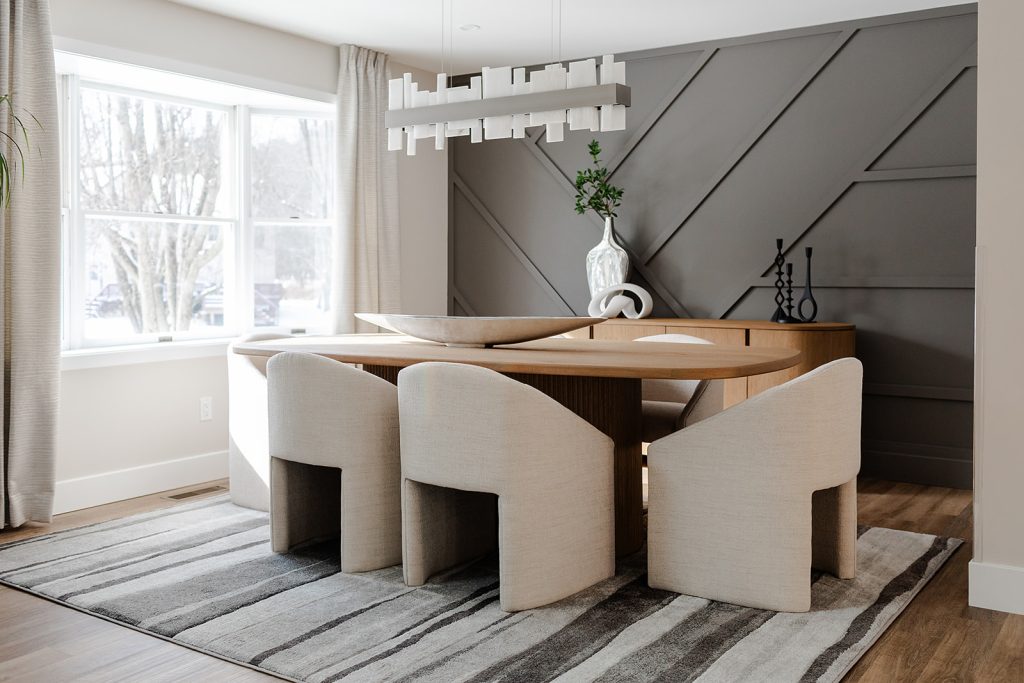
Most of what gets written about home remodeling trends is about how a house looks. We spend our days on what it takes to build. Here are the trends worth knowing for 2026, and what each one does to your project once the drywall comes off.
Is the home remodeling open floor plan over?
Houzz has 43 percent of homeowners opening their kitchens further into the house, up from 38 percent, and two-thirds of those take the wall out entirely. NAHB has 85 percent wanting the kitchen open to the dining room.
Here’s what nobody puts in the trend piece. Which wall it is decides the price. Pull one that carries nothing, and you’re looking at a few hundred dollars to about a thousand. Pull one holding up the floor above, and Angi puts it between $1,200 and $10,000, depending on how many stories sit on it. The framing is rarely the expensive part. The plumbing stack and the ductwork inside it are.
Then there’s the mechanical side. Penn State’s housing research center makes the point that once the walls are gone, you can’t zone the house anymore, and you’re conditioning one volume instead of several. Sound travels further. Neither one should stop you. Both should get settled before demolition, not after.
What is rising is doors. Architects have pocket and sliding doors climbing for a second straight year, and the reason they give is privacy. Open where everyone gathers, a door where somebody works.
Are white kitchens finished?
For the first time, yes. Houzz’s 2026 study has wood cabinets at 29 percent against white at 28, with white down five points.
The wood is white oak, 51 percent among designers. Dark walnut, which you’ve probably read is back, is at 3 percent.
The build note on wood: it moves. Solid stock expands and contracts with the season, and a run of tall cabinets or a wood island top has to be detailed for that, or the joints tell on you in about two winters. Wood island countertops jumped 12 points to 39 percent, and they are worth doing. They also want a finish schedule and somebody willing to maintain them.
Quartzite is taking the countertops, 62 percent among designers, with the same slab running up the backsplash in three-quarters of their projects. Order the slab early. On a full-height backsplash, you are matching one piece of stone across two planes, and the yard has what it has.
What are people adding that they weren’t?
Storage. Specialty built-ins go into 76 percent of remodeled kitchens now. Pantry cabinets, 47 percent. A walk-in pantry, 16 percent. NAHB has the walk-in pantry rated essential or desirable by 80 percent of buyers, near the top of their whole list.
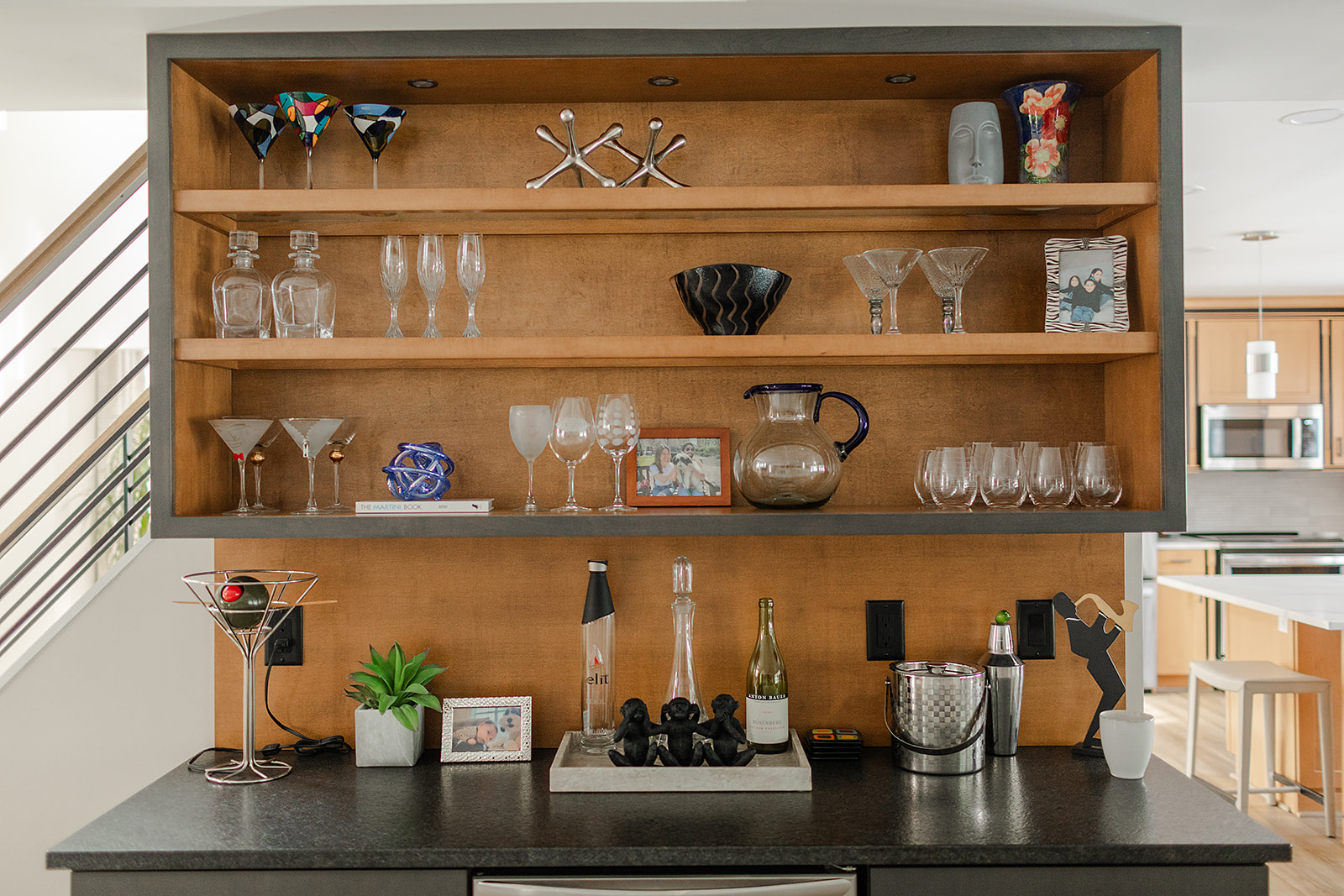
This is the cheapest thing on the page. Built-ins are millwork, and millwork is scheduled labor. No structure moves, no mechanicals get touched, nothing waits on an inspection.
What’s changing in bathrooms?
Wet rooms, where the tub sits inside the tiled shower zone, are at 16 percent and climbing. Drop-in tubs fell from 10 percent to 6 percent.
Know what a wet room is before you fall for one. The whole floor becomes the shower pan, which means slope, waterproofing, and drainage across the entire room instead of one corner of it. Done right, it lasts. Done fast, it finds the ceiling below.
The bigger move is that the shower is beating the tub outright. 55 percent of designers say a larger shower matters more to their clients than having a tub, and architects have stall showers without tubs as the top bathroom feature again this year.
Two places money disappears. Steam showers sit at 4 percent adoption. Smart digital controls, 2 percent. And frameless glass is not on its way out, whatever you’ve read. It’s still what 75 percent of people choose.
What home remodeling are people planning now that they weren’t?
Aging in place, and nothing else is close. Architects reporting demand went from 49 percent to 65 percent in one year. 68 percent of bathroom remodels are considered a special need. Over half chose a low-curb shower; 28 percent went curbless.
Nobody’s building a hospital room. They’re widening a doorway while the wall is already open, moving the laundry up to the main floor, skipping the shower curb. On an addition it’s easier still, since nothing is built yet. Every one of those is a framing decision. Make it while the crew is standing there and it costs almost nothing. Make it in ten years, and you’re paying to open the same wall twice.
Are houses getting bigger or smaller?
Both, and the split is the story.
The median new home fell to 2,150 square feet in 2024, the smallest in fifteen years. Architects report overall square footage down 9 percent, entry-level down 33 percent.
Custom and luxury went up 18 percent.
Spec builders are shrinking houses to hit a price. People building for themselves are doing the opposite. So if somebody tells you the market wants smaller, ask which market.
Should you build for resale, or for yourself?
For yourself. Six percent of renovating homeowners said selling motivated the work, down from 12 percent in 2018. Sixty-two percent expect to be in the house eleven years or more after they finish.
Resale hasn’t stopped mattering. It stopped being the reason. About 28 percent still name return on investment, so it’s in the mix. It isn’t driving.
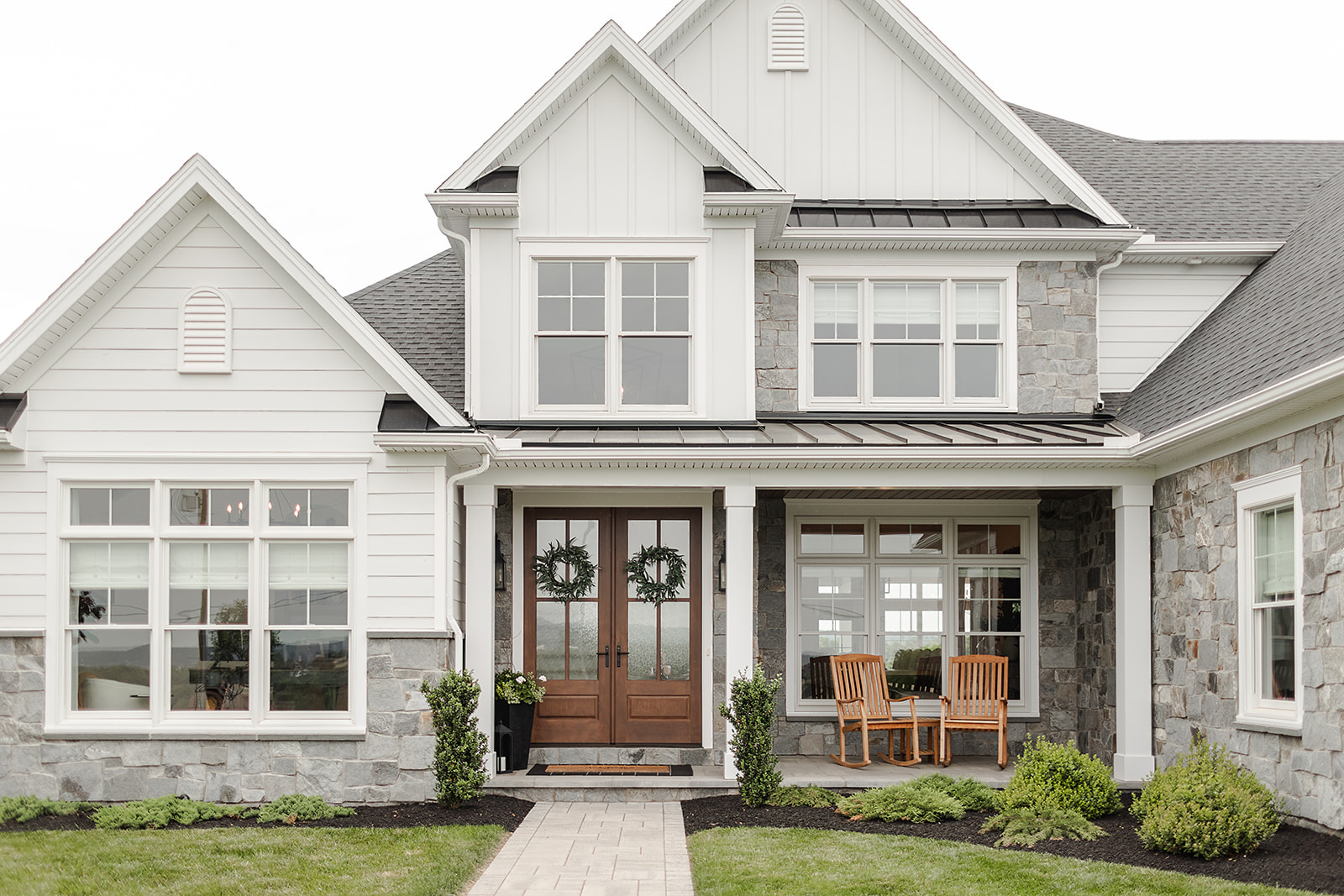
Every trend on this page will move again. The framing and the mechanicals won’t. Get those right, and the finishes are the easy part.
A few of them are on our project showcase.
If you’re planning for spring, this is when the drawings get done. We’re here to help: dkbuilder.com/contact-us.


