
Addition, Renovation, or Remodel: A Lancaster County and Main Line FAQ

Lancaster County and Main Line homeowners planning an addition, a renovation, or a full remodel tend to ask the same handful of questions first. We hear them on nearly every initial call, from East Earl to Wayne, to the townships along the Main Line. The team has fielded them for more than 30 years. Late summer is when many of those conversations start in earnest, since a project scoped and permitted now can still break ground this fall or winter, instead of waiting for spring.
Do I Need a Permit for an Addition or Kitchen Remodel?
In Pennsylvania, most municipalities require a building permit for both, and additions typically need a zoning review as well. Requirements vary by township: East Earl, Wayne, and the Main Line suburbs don’t all apply the same rules. Every DK Builder project is completed in full compliance with local permits and code requirements. Getting the permit and zoning questions answered early is part of what makes a fall or winter groundbreak realistic.

Can I Still Live at Home During a Renovation?
For most additions and single-area renovations, yes. Work stays contained to the areas under construction, and the project gets sequenced to keep the rest of the house livable. Whole-home renovations are the exception and more likely to mean moving out for part of the timeline. For example, this project in Ardmore, PA, called for an exterior façade and full interior renovation makeover. In short, it depends on the scope, which is exactly the kind of thing worth asking on the first call.
What Adds Value to a Home, and What Doesn’t?
Per the 2025 Cost vs. Value Report, a major kitchen remodel returns roughly 49 to 51 percent at resale, while a primary suite addition returns closer to 27 to 32 percent, a meaningfully smaller share. That doesn’t make an addition the wrong call. Resale value is one factor to weigh. It’s rarely the only one, since the renovation still has to work for how the house gets used day to day—by you.

What’s the Difference Between a Home Addition and a Renovation?
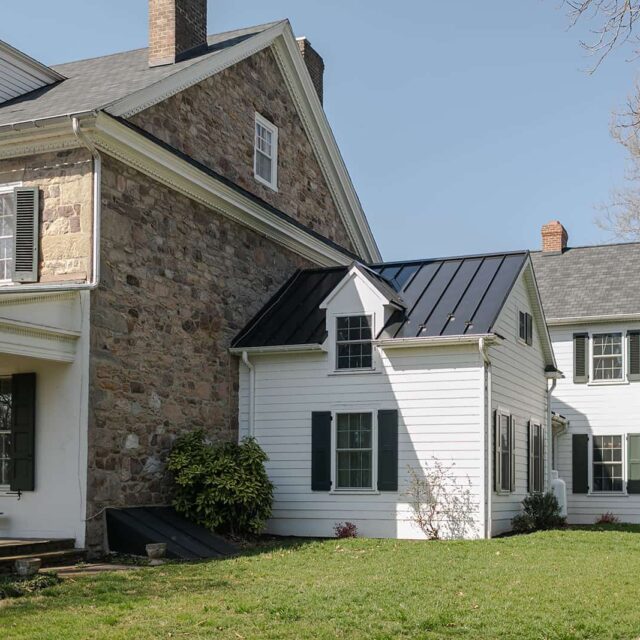
A renovation reworks the space already inside a home’s existing footprint: new layouts, updated finishes, sometimes removing walls to open up how rooms connect. The Cricket Ave project in Ardmore is a renovation on the far end of that range, a three-story remodel taken down to the framing, inside and out. An addition adds new square footage onto the house instead. The Spring Grove Rd project in East Earl is that version: two home offices, guest quarters, a three-car garage, a workout room, and storage, added onto a home that was already large. DK Builder does both, along with new construction. Which one fits depends on whether the house has room to grow into, or needs more room, period.
How Much Does a Home Addition or Renovation Cost?
It depends heavily on scope and size, more than almost any other factor. The real number for any specific project depends on square footage, finishes, and structural complexity, which is what an initial conversation with DK Builder is for.
Do I Need to Hire an Architect, or Does the Builder Handle Design?
For most single-family additions in Pennsylvania, state law doesn’t require a licensed architect’s stamp. An independent architect typically becomes necessary for a whole-home gut renovation, work in a historic district, or structural changes that a local building department requires to be sealed by a licensed architect or engineer. Lower Merion Township, on the Main Line, is one township with that requirement. Outside of those situations, a design-build firm’s in-house design and drafting team is standard, code-compliant practice. Our process includes a detailed needs assessment and Auto-CAD blueprints in-house, from that first conversation through the final walkthrough.

If a fall or winter groundbreak is the goal, late summer is when that conversation needs to start. Whether you’re weighing an addition, a renovation, or a full remodel, we’re glad to help sort out which one fits.